Collection of agricultural knowledge and tips Helps develop yields and increase farming efficiency. Meeting the needs of modern farmers with practical information
All Category
Plow spare parts
Agricultural Machinery
Agricultural information

A comparison of 6-tine and 8-tine spring-tine cultivators—covering specifications, required tractor horsepower, and working width—along with a guide on how to choose the right one for soil tilling and weed control.

A comparison of 4-disk and 6-disk harrows, covering maneuverability, suitable operating areas, tractor horsepower requirements, and crop residue handling capacity—along with guidance on choosing the right implement for your specific field conditions.

Learn about different types of agricultural pests—including insects, mites, nematodes, weeds, and plant diseases—along with the damage symptoms they cause and methods for surveying your fields to determine the most appropriate management strategies.

Earthworms are an indicator of soil health. Learn about their benefits for soil structure and the decomposition of organic matter, as well as how to use them to make a preliminary assessment of soil fertility.

Plants can wilt due to either a lack of water or root rot. Learn how to identify the cause by observing the leaves, stems, soil moisture, and roots, so you can take the appropriate corrective action.

Guidance on preventing soil erosion on sloping land, covering slope assessment, contour planting, drainage system management, and the proper use of agricultural machinery.

A guide to tractor implements for starting an agricultural contracting business, including how to select the right equipment based on horsepower and local job requirements, as well as how to calculate costs for a sound investment plan.

Understanding UPOV 1991: The agreement on the protection of new plant varieties, rights over seeds, the practice of saving seeds for future planting, and what Thai farmers should know about the current legislation.

Safely restore soil after a flood by checking moisture levels, sediment, drainage, and the condition of the topsoil before bringing in machinery, ensuring efficient tilling and cultivation.

Learn about Cassava Mosaic Disease—its symptoms, causes, and how it spreads—along with recommendations for resistant varieties (DOA 19, 21, and 23) and guidance on selecting disease-free stem cuttings before the next planting cycle.

If a newly replaced tractor part feels loose, the issue may stem from worn mounting holes, bushings, pins, or assembly points. Check these five critical areas to identify the root cause before spending money on repeated replacements.

When selecting an 8-ton sugarcane basket trailer, it is essential to ensure compatibility with the towing vehicle and the specific conditions of the plantation. Key factors to consider before pairing them for actual operation include horsepower, load capacity, gradients, and braking systems.
A comparison between two-row and single-row disc harrows, covering operational characteristics, required tractor horsepower, and soil conditions—plus key points for farmers to consider when choosing the right harrow for their work.
If the dozer blade lifts slowly or shows signs of oil seepage, the issue may not stem solely from the hydraulic cylinder. Learn how to inspect the system, locate leaks, and determine whether to repair or replace specific parts.

A curated selection of essential spare parts for tractors from CMT—focusing on small, easily worn components that are often hard to find but vital to keep in your toolbox—all for under 1,000 Baht.
Say goodbye to issues like failure to penetrate the soil, poor soil turnover, and discs chipping so easily that they require frequent replacement. Switch to CMT boron discs—imported from Brazil and built for exceptional durability and strength to meet the needs of Thai farmers.
How to evaluate sugarcane ratoons before deciding to replant—covering yield, root systems, soil conditions, and pest and disease issues—along with guidance on selecting the right land preparation equipment for efficient ratoon removal.

This guide covers the use of a tractor-mounted mower combined with a disc harrow to clear overgrown areas, offers advice on preparing the planting site and selecting the right equipment for specific plot conditions, and helps minimize redundant work steps.

Soil degradation resulting from repeated cultivation on the same plot can occur due to nutrient depletion and the accumulation of plant diseases; therefore, farmers need to understand proper soil preparation.

Farmers should keep spare parts for tractor implements—such as ploughs, disc harrows, and rotary tillers—on hand to minimize the risk of work interruptions or delays, ensuring fields are ready for planting.
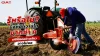
Repeated breakage or loosening of plow disc mounting bolts can result from worn mounting holes, deformed components, vibration, or improper tightening. Farmers need to understand these causes and preventive measures to minimize issues during plowing operations.

Calculate the cost of tractor operations per rai—including fuel, labor, depreciation, repairs, and equipment—and determine the break-even point to compare total costs and decide whether to perform the work yourself or hire a tractor service.

What is crop rotation? Learn about the principles of crop rotation, the selection of legumes, and soil restoration strategies to help manage soil nutrients and reduce disease accumulation in the field.

5-Point Checklist for Sugarcane Loading Cranes: Inspect for potential issues arising during periods of inactivity to minimize accident risks and ensure smooth operations.
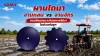
Round-disc and notched-disc plows differ in performance when it comes to tilling and soil preparation after rainfall; making the right choice allows farmers to achieve optimal results.
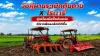
Using a subsoiler and a rotary tiller together during soil preparation addresses soil compaction and hardness while clearing weeds, thereby allowing roots to penetrate deeper.

Rice blast is a fungal disease that typically spreads during the rainy season, particularly in fields where moisture accumulates. Therefore, farmers need to understand how to identify the symptoms and monitor their crops for the disease.

Everything You Need to Know Before Buying CMT Plow Discs: How to Choose the Right One for Your Needs
A comprehensive guide to selecting CMT plow discs—covering types, sizes, thicknesses, mounting holes, materials, and soil conditions—along with tips for inspecting your existing discs to ensure the perfect match for your plow assembly and specific farming needs.
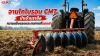
Discover CMT boron steel plow discs imported from Brazil—renowned for their strength and wear resistance—and learn how to select the right ones for your plow, tractor, and soil conditions to ensure efficient soil preparation.

A guide to preparing a new planting plot, covering everything from assessing soil conditions and checking for hardpan to selecting the right plow and planning the plowing pattern to suit the terrain—minimizing repeated passes, saving fuel, and ensuring the soil is ready for planting.

Using an unsuitable plow causes excessive strain on the tractor, results in poor soil breakup, and leads to rapid wear. Understanding how to select the right plow and implements—matched to both the tractor and soil conditions—will enhance the efficiency of the plowing operation.

Excessive power consumption, a drop in engine speed, or wheel slippage while pulling a plow are issues that impact a tractor's energy efficiency; in the long run, they can lead to damage that drives up costs.

Prepare the soil for planting after the floodwaters recede by assessing moisture levels, observing soil conditions, selecting appropriate tillage equipment, and establishing a proper work sequence to ensure the plot is ready for cultivation.

Hardpan is a soil compaction issue that impedes drainage and hinders root growth and penetration, ultimately stunting crop yields; farmers need to understand the causes and how to address the problem using a subsoiler.
Tractor implements directly impact income from contract work. Understanding how to select implements that meet customer needs can increase your chances of securing jobs.

A tractor-mounted sprayer is equipment that reduces manual labor, increases speed, and ensures thorough application. It is suitable for medium-to-large plots and for those looking to enhance operational efficiency.
A ridger helps prepare fields with uniform planting rows, mitigating issues related to drainage and root development. It is a valuable piece of equipment that novice farmers should not overlook.
Prepare the soil for cassava cultivation by clearing plant debris, conditioning the soil, plowing to open the surface, and preparing planting furrows; effectively manage the field following the harvest season.

Proper soil preparation is the foundation of successful cultivation; therefore, novice farmers need to understand the differences between initial plowing, secondary plowing, and harrowing, as well as the roles of various tractor implements.

Prepare the soil for the rainy season to ensure a loose, friable texture and address issues with waterlogging and compaction. This guide covers recommended ploughing techniques and the selection of appropriate implements to get your fields ready for rainy-season cultivation.
Powered By
 MakeWebEasy